Rollanda: The Versatile Brush Script for Modern Designers
There is a specific kind of magic that happens when a design stops looking like a template and starts feeling like a conversation. In the crowded landscape of modern typography, finding a typeface that bridges the gap between professional polish and genuine human warmth is often the hardest part of the job. We have all seen the overused calligraphy fonts that look dated, and the stark sans-serifs that can feel cold. What many projects actually need is a middle ground—a font that feels personal but executes with precision. This is where Rollanda enters the picture, offering a solution that is both visually distinct and surprisingly adaptable.
Designed with the fluidity of a brush pen, Rollanda is a sweet and flowing handwritten font that captures the organic imperfections of hand-lettering without sacrificing legibility. It is not merely a collection of letters; it is a piece of creative font design that brings a specific personality to the table. The strokes are confident, the connections are smooth, and the overall rhythm suggests a sense of ease. Whether you are a seasoned graphic designer, a small business owner building a brand identity, or a crafter looking for the perfect touch for a wedding invitation, understanding how to leverage this typeface can elevate your work significantly.
The Anatomy of a Flowing Script
When we talk about the visual characteristics of Rollanda, we are looking at a typeface that prioritizes flow. Unlike heavy, grunge scripts that can be difficult to read, or thin, spidery fonts that disappear on screens, Rollanda strikes a balance. The brush pen influence is evident in the subtle variations in stroke width, which give the letters a tactile quality. You can almost see the ink drying on the paper. This texture adds depth to flat designs, making it an excellent choice for logo design where you want a mark that feels established yet approachable.
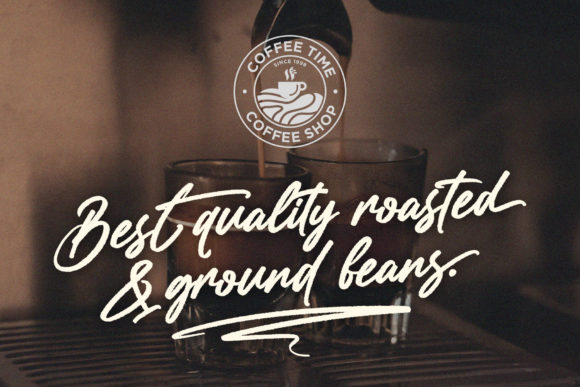
The personality of Rollanda is inherently friendly. It avoids the aggressive slant of some italic scripts, opting instead for a relaxed upright posture that feels welcoming. This makes it a strong contender for projects that require a human touch. Think about packaging design for artisanal goods, such as coffee bags, handmade soaps, or boutique clothing labels. When a customer picks up a product, the typography sets the expectation. Rollanda suggests that the product inside was made with care, mirroring the hand-crafted nature of the script itself. It serves as a visual shorthand for authenticity.
Strategic Applications: From Screen to Print
One of the most common questions designers ask about handwritten fonts is whether they can survive the transition from print to digital. Many scripts look beautiful in high-resolution mockups but fall apart on a mobile screen or a low-quality flyer. Rollanda, however, was designed with versatility in mind. Its "neat style" ensures that letterforms remain distinct even at smaller sizes, making it a viable option for more than just headers.
In the realm of web design, Rollanda shines as an accent font. It is perfect for pull quotes, call-to-action buttons, or hero section headlines where you need to grab attention quickly. Because it is a display font, it commands the eye without being aggressive. For social media graphics, where you have about two seconds to stop a user from scrolling, the unique silhouette of Rollanda can be the differentiating factor. It creates visual interest in a sea of standard sans-serifs, helping to build brand recognition across platforms like Instagram and Pinterest.
For editorial design, such as magazine layouts or blog headers, Rollanda pairs beautifully with clean serif or sans-serif fonts. Imagine a lifestyle magazine feature: a bold, clean sans-serif for the subheadings, and Rollanda for the main title to inject a sense of editorial flair. This creates a visual hierarchy that guides the reader’s eye naturally. It signals that the content is stylish and curated, enhancing the reader's perception of the publication's authority and taste.
Building a Brand Identity with Rollanda
For entrepreneurs and marketers, typography is not just decoration; it is a strategic asset. Your choice of typeface influences how your audience perceives your brand's professionalism and values. Using Rollanda in your brand identity toolkit can soften a corporate image or energize a minimalist one. It is particularly effective for service-based businesses—think photographers, wedding planners, or life coaches—where the personality of the owner is central to the brand.
However, successful implementation requires restraint. A common mistake with premium fonts like this is overuse. If you set your entire website copy in Rollanda, you will likely create a readability nightmare. Instead, use it as a highlight. Use Rollanda for your logo, your email sign-offs, or section headers, and pair it with a highly legible sans serif font for body text. This combination ensures that your design remains professional while retaining the warmth of the script.
Practical Considerations for Designers
Before integrating Rollanda into your next project, it is worth taking a moment to evaluate the technical fit. As with any commercial font, you need to ensure the licensing covers your specific use case, whether that is for a client’s logo, merchandise, or a mobile app. Most reputable font marketplaces make this clear, but it is a detail that separates amateur work from professional practice.
When testing font pairings, look for contrast in structure but harmony in mood. A geometric sans-serif often provides the perfect structural counterpoint to the organic curves of Rollanda. Try setting a headline in Rollanda and the body in a font like Montserrat or Lato. Observe the spacing (kerning and tracking). Sometimes, handwritten fonts require manual adjustment to ensure the letters don’t collide in awkward ways, especially in capital letters. Taking the time to fine-tune these details demonstrates a commitment to quality that clients and audiences appreciate.
Ultimately, Rollanda is more than just a script font; it is a tool for storytelling. It allows you to inject personality into a layout without compromising on the clarity of your message. By understanding its strengths—its flow, its readability, and its versatile aesthetic—you can use it to create designs that resonate on a human level. Whether you are designing a wedding menu, a social media campaign, or a new brand logo, Rollanda offers a reliable way to make your typography feel less like a machine output and more like a piece of art.