Dream Culture: A Blackletter Font for Modern Vintage Projects
The Allure of Gothic Revival in Design
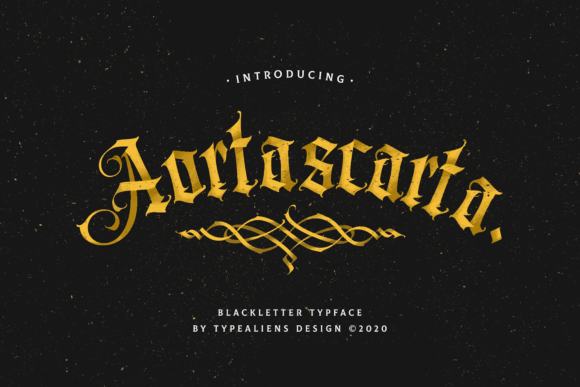
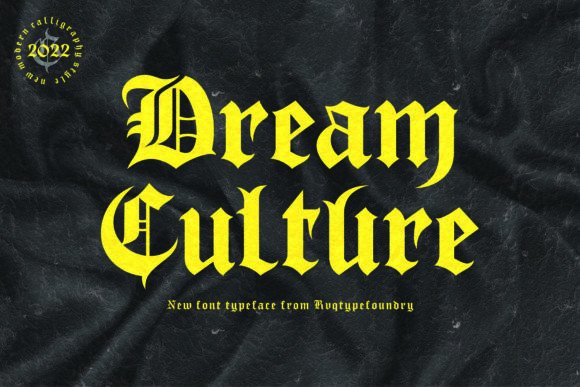
There's a certain weight and history that comes with blackletter typography. It evokes old manuscripts, heraldic crests, and a sense of tradition that modern sans serifs simply can't replicate. Dream Culture taps into this heritage but gives it a contemporary, elegant twist. It's not a stark, medieval reproduction; it's a premium font designed for today's creative landscape. The characters carry a refined, vintage personality—think of the elegant flourishes on an old certificate or the stately lettering on a vintage wine label, but with cleaner lines and more versatile forms. This display font is built to command attention without overwhelming a design, offering a bridge between historical gravitas and modern sophistication.
What makes Dream Culture particularly useful is its design philosophy. The uppercase letters provide that classic, strong structure, while the lowercase offers a more fluid, readable flow. The real magic happens when you start blending them with the included alternative glyphs. These stylistic alternates let you swap out certain letters for versions with more swash, different connections, or subtle variations. This allows you to create truly custom lettering for a logo design or a headline, ensuring your project feels unique and handcrafted rather than generic. It’s a practical tool for achieving visual interest and a bespoke feel without commissioning custom lettering.
Where Dream Culture Truly Shines
This creative font isn't for body text, and that's by design. Its strength lies in applications where personality and impact are paramount. For brand identity, it can set a powerful tone. Imagine it for a boutique distillery, a high-end barbershop, a bespoke tailor, or a specialty coffee roaster. The font instantly communicates craftsmanship, heritage, and a touch of luxury. In editorial design, it can create stunning chapter titles, magazine mastheads, or pull quotes that anchor a page with visual authority. The key is to use it sparingly and strategically—as the headline, not the story.
Beyond print, Dream Culture translates effectively to digital spaces when used with care. It can make a web design hero section unforgettable or give a podcast cover art the exact vintage vibe it needs. For packaging design, it’s a natural fit, adding shelf presence and a story to products like craft spirits, artisanal goods, or luxury candles. Social media managers and content creators can leverage it for standout social media graphics, event announcements, or quote cards that break the visual monotony of feeds dominated by standard fonts. Even for personal projects—like wedding invitations, tattoo designs, or custom apparel—it offers a level of elegance and distinction.
Making the Font Work for Your Project
Choosing a display font like Dream Culture is the first step; using it effectively is the next. Your primary consideration should be context. Is your project aiming for a vintage, luxurious, or artisanal feel? If yes, this typeface is likely a strong candidate. If your brand is minimalist, tech-forward, or ultra-modern, it might create a stylistic clash. Always test the font in your specific design mockups. Does it complement your chosen serif font or sans serif font for body copy? A clean, geometric sans serif often pairs beautifully, providing a contemporary counterpoint to Dream Culture's ornate details.
Readability is non-negotiable. While beautiful, blackletter-inspired fonts can be challenging to read at small sizes or in long strings. Use Dream Culture for short, impactful text: a brand name, a single-word headline, a date, or a location. Avoid using it for paragraphs or detailed product information. Explore the full glyph set—swashes, ligatures, and alternates—to fine-tune your lettering. This customization is what elevates a design from using a font to designing with a font.
Finally, consider the practicalities. Dream Culture is a commercial font, meaning it requires a license for use in client projects, merchandise, or products for sale. Review the license details to ensure it covers your intended use, whether for digital products, print runs, or embedded web fonts. Investing in a quality design asset like this provides a reliable, legally sound tool that enhances your professional work. When you integrate it thoughtfully, it becomes more than just a font—it becomes a cornerstone of a compelling visual narrative.